
Module-based humidity control for electronics assembly, precision workshops, and ESD-sensitive production areas.

MS modules are commonly integrated into electronics humidification cabinets, duct sections, and custom OEM units where fine mist and stable RH matter.
Share your room size, target RH, voltage, controller preference, and installation method so we can recommend a practical module layout.

Suitable for assembly lines, inspection areas, and electronics workshops where RH stability supports static control.
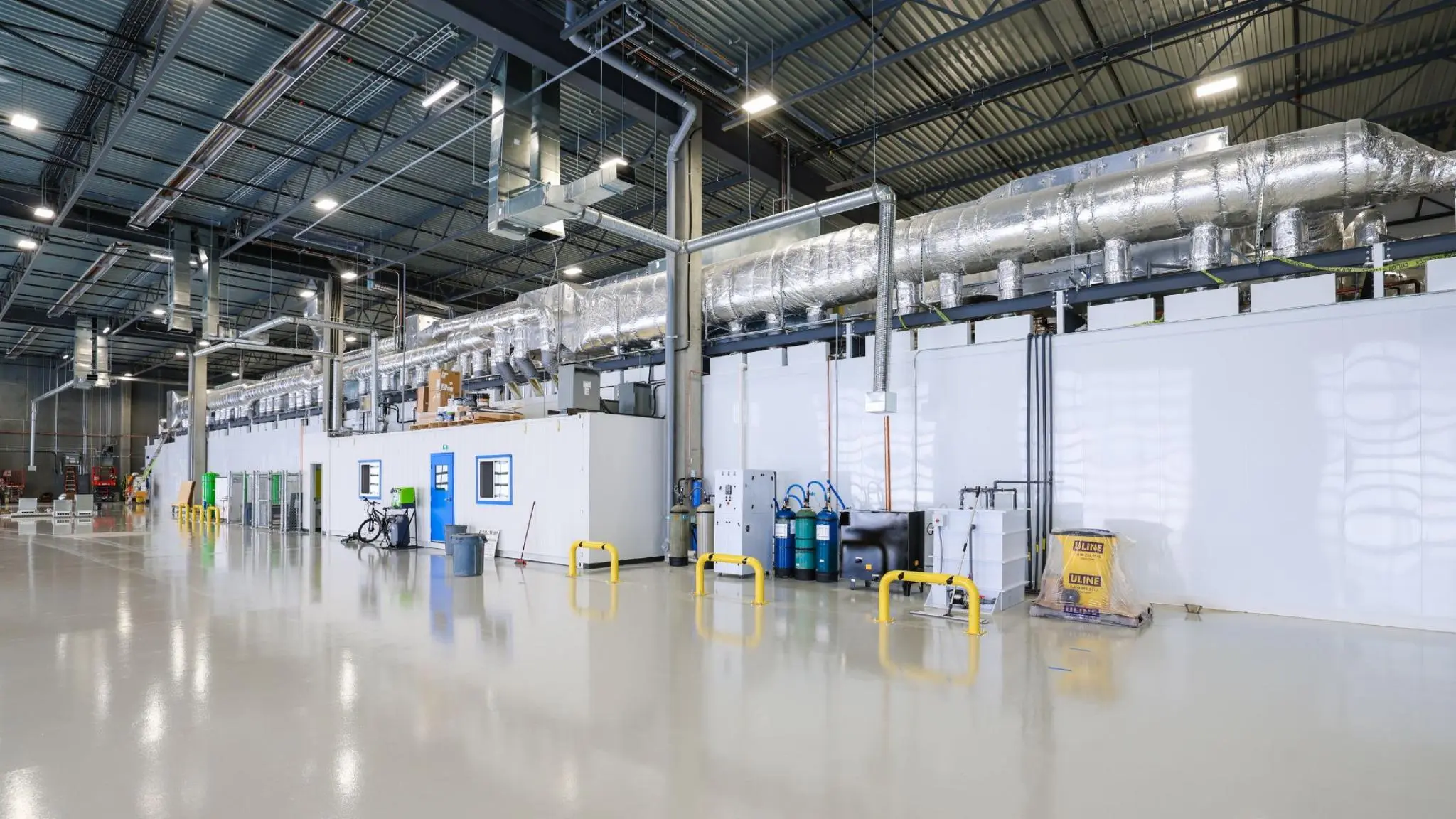
A good fit for local humidification cabinets or grouped module systems near sensitive operations.
Helps maintain RH without coarse spray.
Add modules by zone, line, or room section.
Easy to match with RH controller or PLC.
Works for cabinet, tank, or AHU integration.
Selection depends on target RH, room size, available power supply, and expected module quantity. Use this table as a quick starting point for inquiry discussion.
| Project type | Suggested models | Typical use |
|---|---|---|
| Compact control cabinets | MS-01 / MS-02 / MS-03 | Benches, small assembly areas, local RH support |
| Standard workshop sections | MS-04 / MS-06 | SMT, assembly, and packaging rooms |
| Larger grouped projects | MS-08 / MS-10 | Multi-zone electronics workshops |
An electronics factory humidification system should be sized around the conditioned volume, ventilation load, heat from equipment and the number of production zones. SMT lines, component storage and manual assembly areas may react differently to dry air, so one sensor beside the humidifier is rarely enough for a large workshop.
Place RH sensors away from direct mist, doors and supply-air outlets. For multi-zone plants, stage several atomizing modules through a humidity controller or PLC rather than operating one oversized output point.
Humidity can support an ESD-control program, but it does not replace grounding, conductive flooring, wrist straps or process monitoring. MS modules are intended for equipment manufacturers and integrators building controlled humidification into a cabinet, air duct or production-area system.
Use clean, low-mineral water and provide drainage, service access and water-level protection. For general background, read how humidity affects static electricity. For tank, airflow and controller integration, see the ESD module integration guide.