
Corrosion-Resistant Ultrasonic Atomizers: PPS or 316?
Compare wetted parts, check liquid compatibility and plan a sample test before choosing an OEM atomizer.
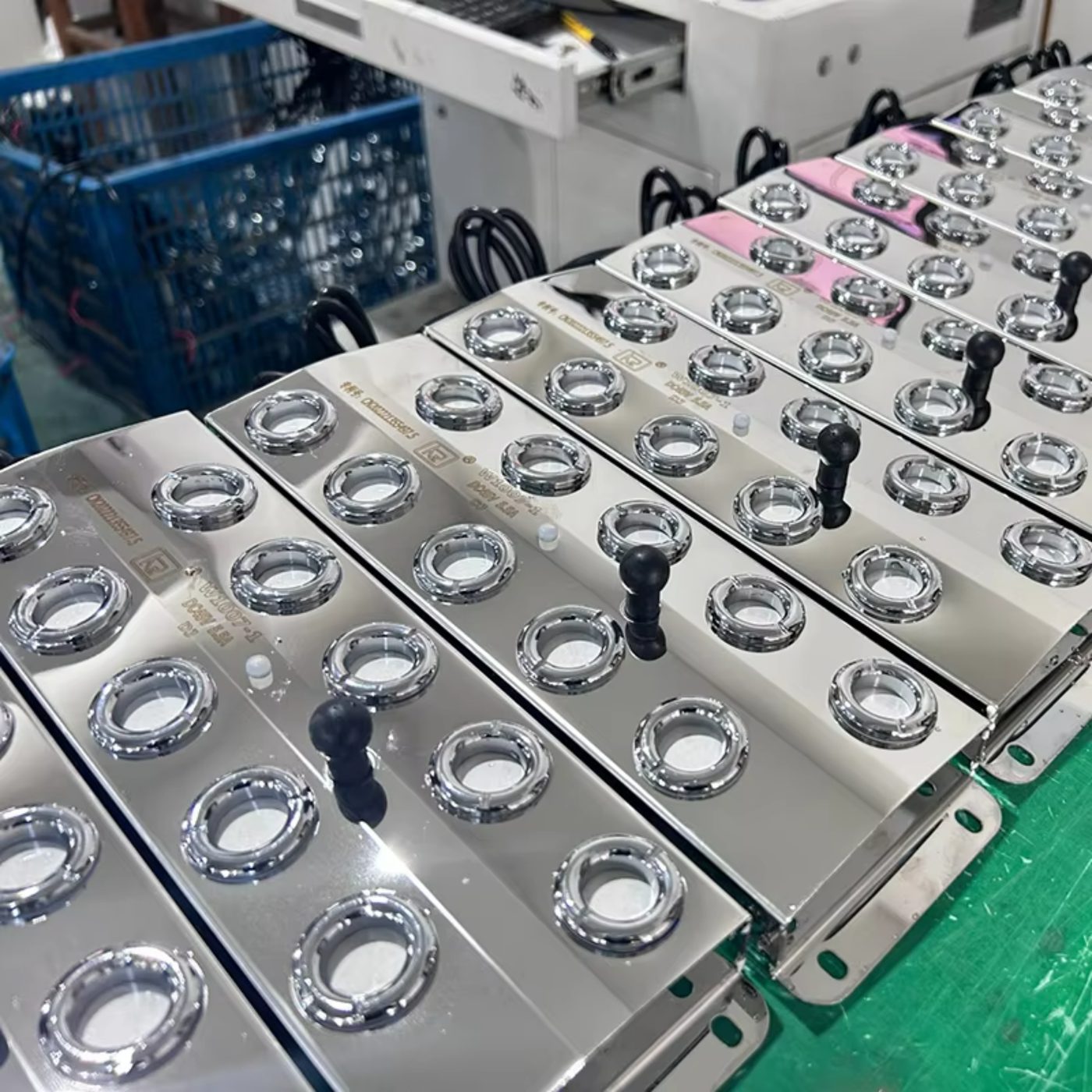
Read the corrosion-resistant atomizer guide →Housing production, assembly, matched power supplies, load checking and aging tests shown with real factory images.
View the production process →Practical engineering notes for selecting, integrating and maintaining mist maker modules, matched power supplies and complete industrial ultrasonic humidifiers.
Choose the guide that matches your current project stage.
Practical answers to the engineering and purchasing questions that most often come up before sample testing and system integration.
Compare wetted parts, check liquid compatibility and plan a sample test before choosing an OEM atomizer.
Read the corrosion-resistant atomizer guide →Check concentration, wetted parts and sample conditions before choosing a PPS atomizer for a disinfectant system.
Read the HOCl atomizer guide →Understand chloride corrosion, salt deposits and the difference between PPS and 316 before an OEM test.
Read the saline atomizer guide →Separate material attack, deposits, sensor problems and driver mismatch before replacing another module.
Read the corrosion troubleshooting guide →Compare heat load, response, water quality and OEM integration when replacing a heated reservoir with ultrasonic cool mist.
Read the climate chamber guide →Plan relay or contactor switching, control stages, safety interlocks and fan post-run logic for an OEM humidification system.
Read the controls guide →Understand mist pickup, outlet resistance, branch distribution, water carryover and shutdown ventilation.
Read the airflow guide →Check other causes of weak output first, then follow the disc replacement, compatibility and post-service inspection steps.
Read the replacement guide →Prepare a quotation request covering samples, matched power supplies, spare discs, documents, logo marking and delivery.
Read the buyer FAQ →Selection, tank design, operation, water quality, maintenance and troubleshooting for ultrasonic atomizing modules.
Start here if you are selecting ultrasonic atomizing modules for OEM equipment, chambers, tanks or small humidification systems. Covers head count, voltage, power supply, float control, water quality and installation layout.
Read the module selection guide →Practical checks for no mist, weak output, uneven heads, water-level faults, scale, driver overheating and shortened ceramic-disc life.
Read the mist maker troubleshooting guide →A practical guide to choosing between an atomizing module and a complete humidifier for OEM equipment or industrial humidity control.
Read the guide →How tap water, hard water, RO water and softened water affect white dust, scale and module maintenance.
Read the guide →A common field issue related to water quality, surface residue, and weak mist recovery during testing.
Read guide →Project information that helps the supplier choose the right module faster.
Read guide →Small design points that affect output, water control, and long-term service.
Read guide →Common reasons output becomes weaker in daily operation.
Read guide →Simple tank design points that affect mist output stability and service life.
Read guide →A practical way to estimate mist head quantity for OEM humidification systems, greenhouses, cold rooms, and industrial chambers.
Read guide →Engineering notes on tank depth, driver matching, cable routing, airflow, and maintenance access for ultrasonic module integration.
Read guide →What continuous operation means in real industrial humidification projects, and what to check before running ultrasonic modules all day.
Read guide →When to consider glass-coated ceramic atomizing discs for disinfectant, electrolyzed water, agricultural nutrient solution, and other mild chemical liquids.
Read guide →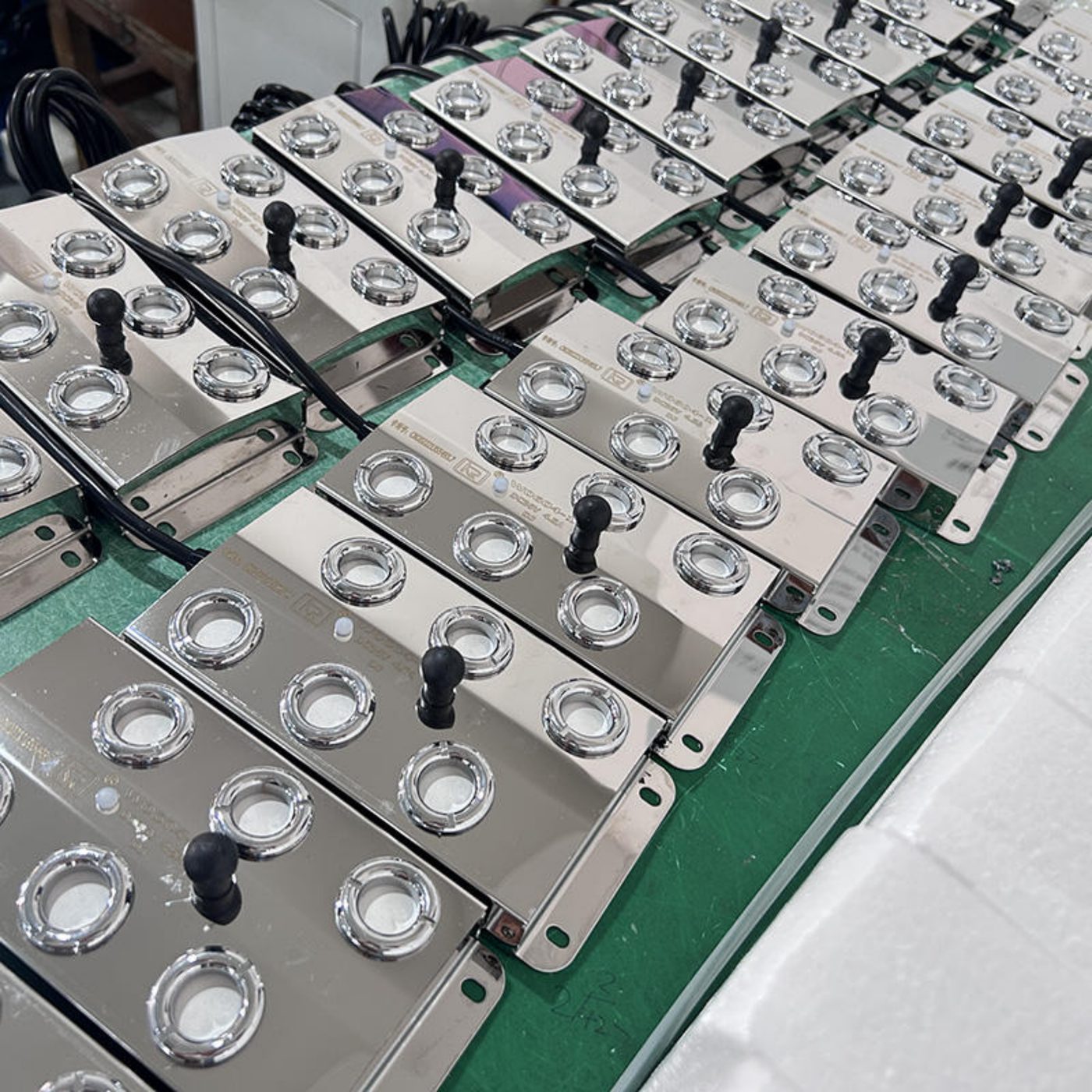
Matching, installation and protection notes for drivers and waterproof power supplies.
How to choose module voltage and match power supplies for stable ultrasonic atomization systems.
Read the guide →How to install waterproof power supplies safely in OEM humidification projects.
Read guide →How to match IP67 waterproof drivers with MS series ultrasonic modules by voltage, power, installation environment, and continuous duty use.
Read guide →Complete PM system selection, controls, airflow, sensors, ductwork and troubleshooting.
Practical installation guide for industrial ultrasonic humidifiers, covering location, water supply, drainage, electrical connection, sensor placement and start-up checks.
Read guide →PVC duct design notes for industrial ultrasonic humidifiers: duct slope, outlet hole size, condensate return, branch layout, support and commissioning checks.
Read guide →Why condensation forms inside ultrasonic humidifier ducts and how to correct duct slope, low points, airflow, output setting, insulation and drainage.
Read guide →Step-by-step commissioning checklist for industrial ultrasonic humidifiers: utilities, water level, airflow, sensor verification, control modes, alarms and handover records.
Read guide →A practical comparison for industrial humidity control, OEM integration, greenhouse projects, large open spaces, maintenance, water quality and system selection.
Read the comparison →Sensor position can affect RH control. These notes help avoid unstable readings.
Read guide →

Practical humidity and fogging notes for greenhouse, mushroom, textile, electronics, printing and storage projects.
Practical notes for reducing static and paper handling issues.
Read guide →Key points for using ultrasonic mist in cold rooms and produce storage areas.
Read guide →Practical notes for mushroom room humidity control using ultrasonic mist.
Read guide →Practical points for stable RH in electronics production and anti-static areas.
Read guide →Simple engineering points for textile and printing workshop humidity control.
Read guide →Practical notes for using ultrasonic atomization modules in greenhouse humidity control projects.
Read guide →
Humidity control guidance for timber storage, machining, furniture production and wood-processing facilities.
View solution →Explore practical guides for system selection, industrial applications and humidity-control design.