
Why Ultrasonic Mist Makers Fail in Corrosive Liquids
When an ultrasonic mist maker loses output in a special liquid, the atomizing discs are not always the only problem. Corrosion, sensor damage, deposits, the wrong power supply and poor tank design can produce very similar symptoms.
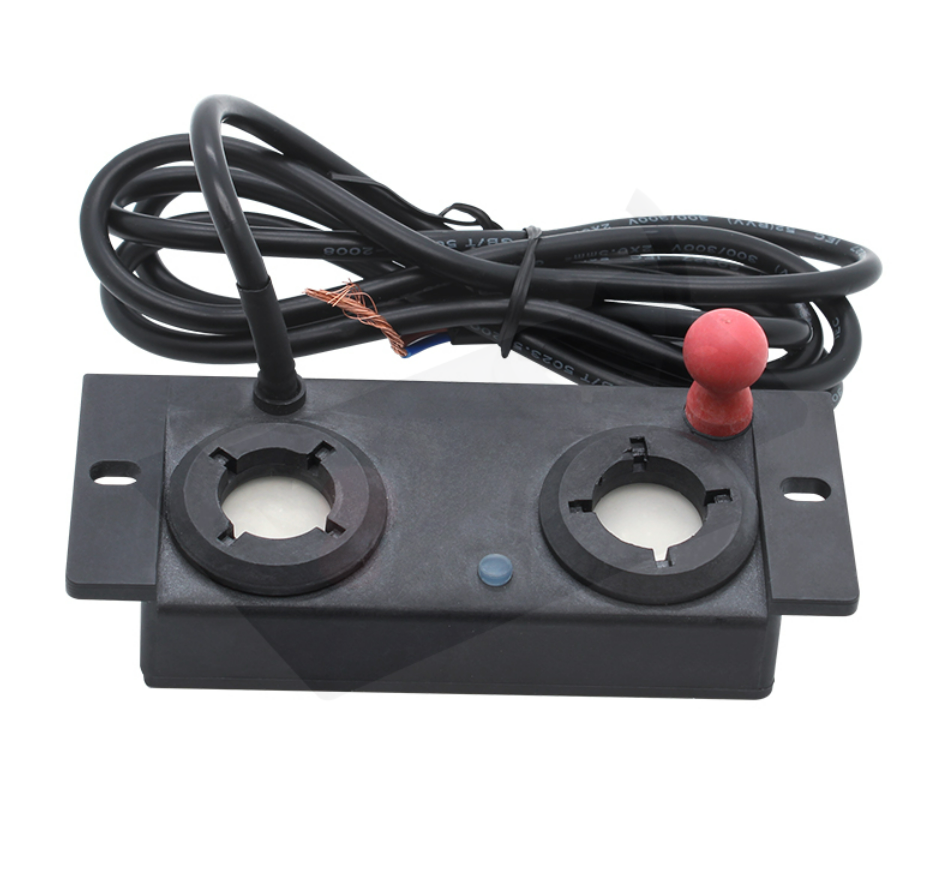
1. The housing material does not match the liquid
A standard 304 stainless-steel module is designed mainly for water-based humidification. Disinfectants, saline and other special liquids can create a much more aggressive environment. Visible staining may appear first, but localized corrosion can also begin around retaining rings, joints and deposits.
Changing to 316 improves metal corrosion resistance, but it does not solve every chloride or oxidizing-liquid application. When chemical resistance is the priority, a PPS housing and PPS wet-side components are generally the stronger starting point.
2. Only the housing was upgraded
A module can still fail if the housing is resistant but the retaining rings, water-level sensor, fasteners or cable entry are not. This is why the MS-02P and MS-10P use PPS for the housing, retaining rings and water-level sensor rather than changing just one visible part.
The tank, seals, tubing and float belong to the same wet-side review. One corrosion-resistant component cannot protect an incompatible assembly around it.
3. Deposits are mistaken for corrosion
Hard water, saline and formulated liquids leave dissolved material behind as water is atomized. Deposits on the disc can reduce mist output or cause uneven operation. A module may look “corroded” when the immediate problem is crystallized salt or mineral scale.
Clean the disc using a method compatible with the module and liquid residue. If output returns after cleaning, deposits were at least part of the problem. If output remains weak, inspect the disc condition and electrical supply.
4. The water-level sensor is affected
Low-water protection is essential, but the sensor must work in the actual liquid. Conductivity, residue and material attack can create false readings or prevent reliable detection. A sensor problem may appear as intermittent mist, failure to start or unexpected dry-run protection.
Test the water-level control through refill, low-level and restart cycles. Do not only run the module at one fixed liquid level.
5. Voltage, current or the driver is wrong
Corrosion and electrical mismatch can look alike. An undersized or wrong-voltage power supply may cause weak or unstable output. Use the matched supply or verify voltage, current capacity, polarity and cable connections under load.
The PPS MS-02P is normally matched with a 100 W supply, while the MS-10P and MS-10S316 use matched 400 W supplies. Follow the individual datasheet rather than copying the driver from a standard module with a similar head count.
6. The test does not represent real operation
A ten-minute clean-water test confirms basic atomization. It does not reproduce months of exposure to a formulated liquid, repeated drying, temperature changes or cleaning cycles. For special liquids, use the final concentration and the actual tank, airflow and duty cycle.
Record the module condition and mist output from the start. Without baseline data, gradual degradation is easy to miss until the equipment stops meeting its target.
A quick troubleshooting order
- Confirm the exact liquid and whether its formulation changed.
- Check liquid depth, temperature and visible deposits.
- Measure driver output and inspect connections.
- Clean the atomizing discs and retest under the same conditions.
- Test low-water protection and restart behavior.
- Inspect every wetted part, not only the main housing.
- Compare output with the initial test record.
When to move from a standard module to PPS
If a 304 module shows repeated corrosion, retaining-ring damage or sensor problems in a special liquid, replacing discs alone may not address the cause. A PPS model is usually the next sample direction when corrosion resistance matters most. A 316 model is available where metal construction is required, but compatibility must still be checked.
Trying to understand an atomizer failure?
Send the liquid concentration, working hours, power-supply details and clear photos of the module. PHIMAXX can help separate material, deposit, sensor and electrical issues before you choose another sample.
Send the application details Email PHIMAXX