
Module-based humidity control for spinning, winding, weaving, and other textile lines that need anti-static support and stable yarn conditions.

Used in cabinets, ducts, and OEM layouts.
Share the process type, room size, current and target RH, ventilation, and available power supply for a suitable module layout.
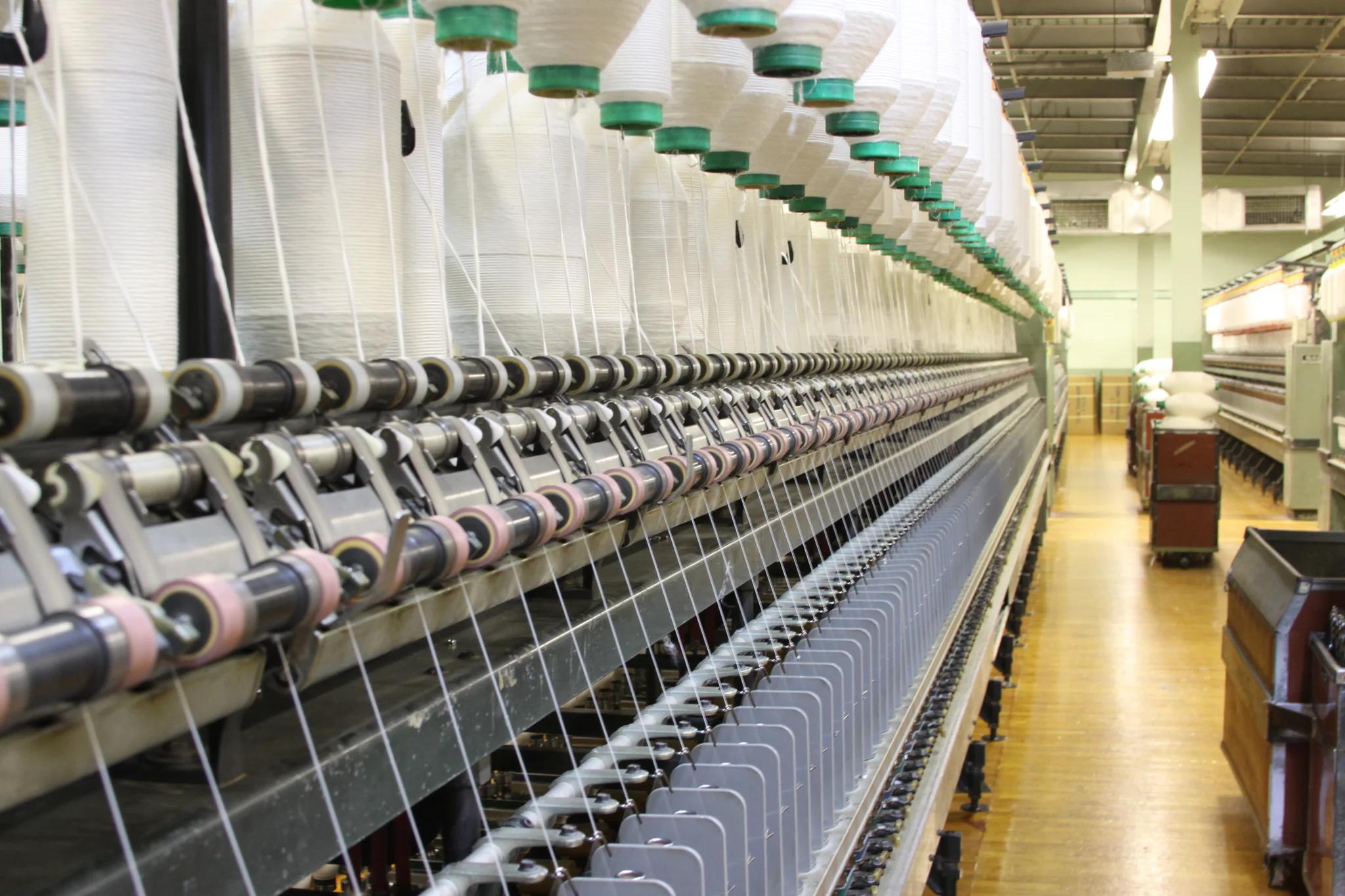
Used where yarn strength, anti-static support, and lower fly matter in dry conditions.
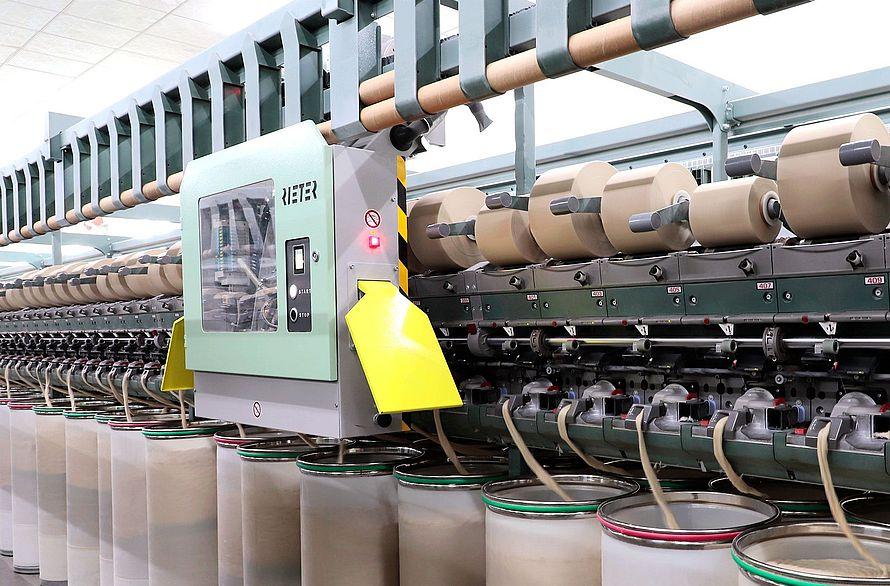
Suitable for local humidity support around yarn bins, winding, and material handling sections.
Helps reduce static on yarn and equipment.
Add module quantity by line and RH target.
Suitable for textile air distribution layouts.
Easy to fit into cabinets, tanks, and custom systems.
Selection depends on target RH, room size, available power supply, and expected module quantity. Use this table as a quick starting point for inquiry discussion.
| Project type | Suggested models | Typical use |
|---|---|---|
| Compact OEM units | MS-01 / MS-02 / MS-03 | Small textile sections and local humidification heads |
| Standard line support | MS-04 / MS-06 / MS-08 | Spinning, winding, and weaving support systems |
| High-output grouping | MS-10 / MS-12 | Large halls or stronger humidity targets |
Spinning, winding, weaving and yarn storage do not create the same moisture load. Fibre type, machine heat, air changes and open doors all affect the required humidification capacity. A textile humidification system should therefore be divided by production area instead of being selected only from total floor space.
Fine mist should mix with the room air before reaching yarn or machinery. Balanced outlets above the working zone usually give more consistent conditions than directing a concentrated plume at one line.
MS ultrasonic atomizing modules can be installed in a local cabinet, a central tank with several outlets, or a ducted system serving selected textile lines. Module quantity and outlet placement should be confirmed together because poor air distribution can leave dry zones even when total mist output appears sufficient.
Use filtered or low-mineral water, maintain the specified water level and leave access for tank cleaning and ceramic-disc inspection. Send your plant layout and operating conditions for a model and outlet recommendation.