
Module-based humidity support for storage rooms, racking areas, and packaged material warehouses.
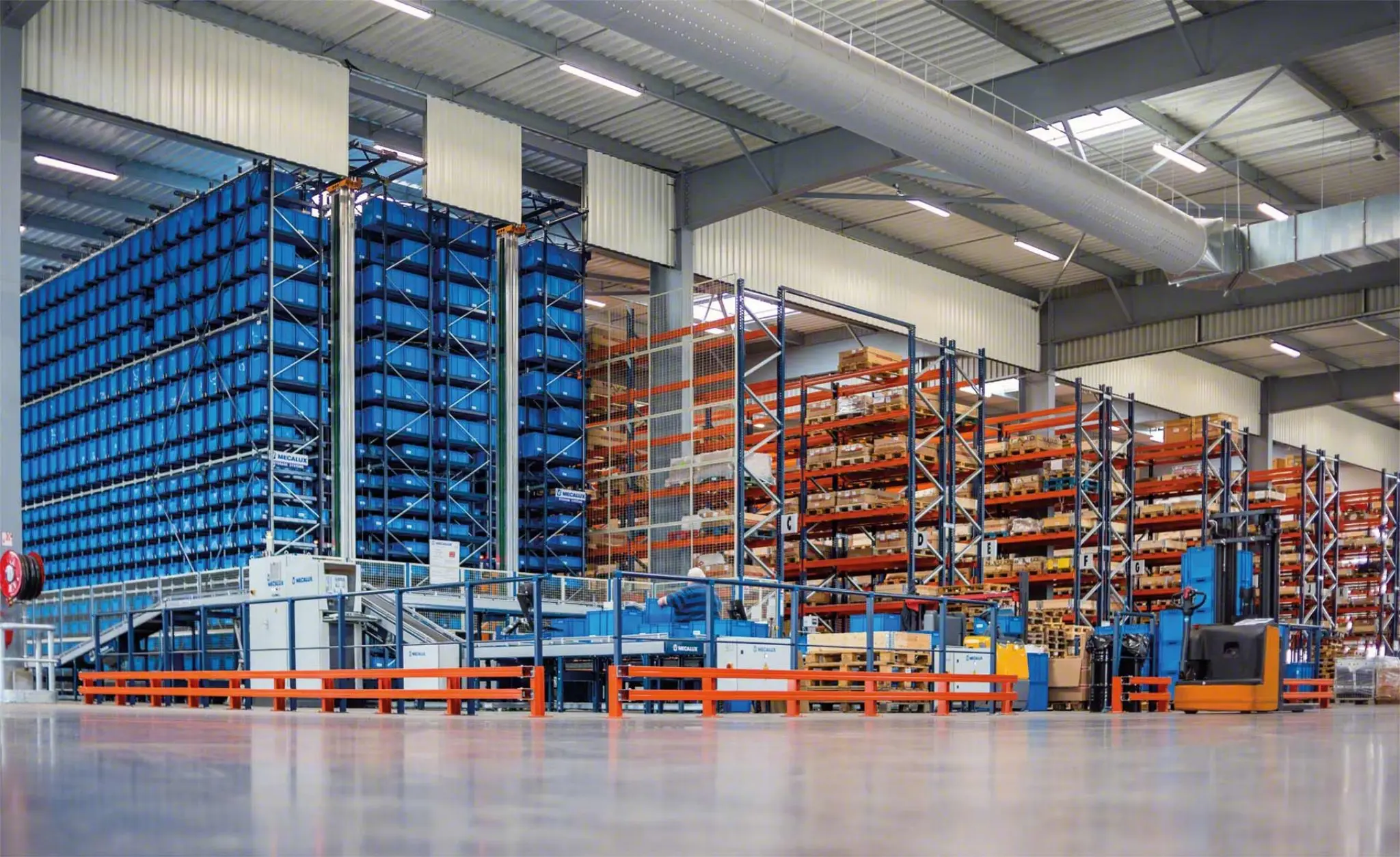
MS modules can be grouped by aisle, room section, or storage zone to match the required output and airflow layout.
Share the room size, target RH, ceiling height, and ventilation conditions for a suitable module arrangement.

Suitable for warehouse aisles where stable RH helps protect material condition.
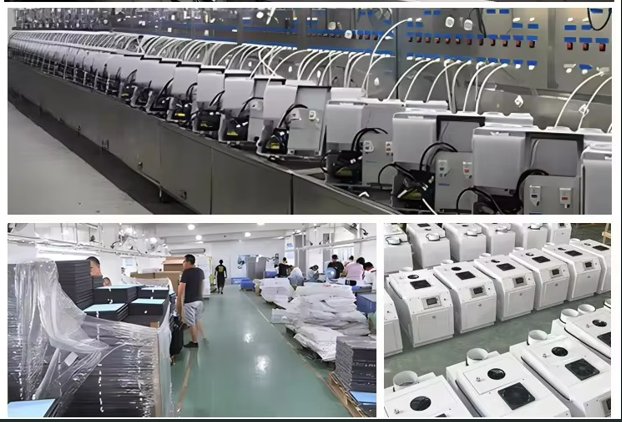
A practical fit for grouped humidity zones in packaged-goods storage areas.
Split output by aisle or room section.
Works in custom tanks, cabinets, or ducted layouts.
Suitable for warehouse airflow circulation.
Match module count to ceiling height and RH target.
Selection depends on target RH, room size, available power supply, and expected module quantity. Use this table as a quick starting point for inquiry discussion.
| Project type | Suggested models | Typical use |
|---|---|---|
| Small storage rooms | MS-04 / MS-06 | Compact warehouse rooms and local RH support |
| Standard warehouse zones | MS-08 / MS-10 | Racking aisles and packaged goods storage |
| Larger grouped projects | MS-10 / MS-12 | Higher ceilings or larger floor areas |
High ceilings, loading doors and long racking aisles can create large humidity differences inside the same warehouse. Product sensitivity, packaging type, outdoor air and traffic through the building matter more than floor area alone when estimating an ultrasonic warehouse humidification system.
Multiple distribution points are normally easier to balance across aisles than one concentrated mist outlet. Sensors should represent the stored-product zone and should not be positioned directly beside a door or mist discharge.
Small storage rooms may use a compact grouped module system, while larger warehouses usually require staged output and several air-distribution points. The final selection should account for evaporation demand and outdoor-air loss, not simply multiply capacity by square metres.
Provide a plan view if available. We can review module size, estimated quantity, tank arrangement and practical outlet positions before quotation.